Last time we talked about enemies and making peace: אויביו ישלם אתו. We interpreted that as a metaphor for the יצר הרע. This time we’re going to talk about kings, and another metaphor.
י קסם על שפתי מלך; במשפט לא ימעל פיו׃ יא פלס ומאזני משפט לה׳; מעשהו כל אבני כיס׃ יב תועבת מלכים עשות רשע; כי בצדקה יכון כסא׃ יג רצון מלכים שפתי צדק; ודבר ישרים יאהב׃ יד חמת מלך מלאכי מות; ואיש חכם יכפרנה׃ טו באור פני מלך חיים; ורצונו כעב מלקוש׃
You could read this literally as a series of statements about kings, including the קסם על שפתי מלך: there is magic in the words of the king.
קסם על שפתי מלך: הנה על שפתי מלך דבר ידמה לקסם להגיד האמת בדברים, כי (שמואל ב יח:יג) [וְ]כׇל דָּבָר לֹא יִכָּחֵד מִן הַמֶּלֶךְ לסבות רבות. יתקבצו בזה הא׳ כי עניניו במלכותו מסודרים מהש״י באמרו (משלי כא:א) פַּלְגֵי מַיִם לֶב מֶלֶךְ בְּיַד ה׳. והשנית כי בסבת רצון האנשים למצוא חן בעיניו ימצא בכל דבר מי שיגלה אזנו להגיד האמת ולזאת הסבה בעינה לא ימעל פי המלך במשפט, כי יגיד האמת ויהיו משפטיו לפי המשפט המוגבל מהשם ית׳.
divine right of kings: in European history, a political doctrine in defense of monarchical absolutism, which asserted that kings derived their authority from G-d and could not therefore be held accountable for their actions by any earthly authority such as a parliament.
ואחר שרק על ידי הצדקה שהם המעשים טובים יִכּוֹן כִּסֵּא שיהיה לו קיום, אם כן עֲשׂוֹת רֶשַׁע שהוא הפך הצדקה היא תּוֹעֲבַת מְלָכִים, כי זה יהרס מכון כסאם ומלכותם.
So obviously the king will always do the right thing, since ה׳ guides their actions and they know all the secrets of the kingdom, and they are aware that injustice will bring the kingdom down. So never question the goverment!
That’s weird thing to say, for a number of reasons. first, it has nothing to do with ethics; if anything, משלי teaches us that we can’t rely on our own moral intuition. Why should a king be different? Why are we assuming that kings always do the right thing? Second, we are comparing the word of the king to קסם, magic spells. That’s a bad thing.
כי עמד מלך בבל אל אם הדרך בראש שני הדרכים לקסם קסם; קלקל בחצים שאל בתרפים ראה בכבד׃
Foreign kings look at קסמים.
כי לא נחש ביעקב ולא קסם בישראל; כעת יאמר ליעקב ולישראל מה פעל א־ל׃
לא ימצא בך מעביר בנו ובתו באש; קסם קסמים מעונן ומנחש ומכשף׃
Third, this sounds like pro-monachy propaganda: always trust the king! Everything he does is right; it’s like magic! Maybe Shlomo would argue that this is true (he is the king, after all), but it doesn’t seem to belong in ספר משלי.
So there are מפרשים who take all this as a metaphor for our relationship to ה׳, the מלך מלכי המלכים.
כי כל מקרא שימצא בספר הזה ולא יראה פשוטו בענין יראת השם ית׳ כעין משל נכתכ למען תלמודליראה את ה׳ אלקך מדרך דמיונו.
ותלמוד מזה להתירא מחמת השם ית׳ כי גם את מלכי האדמה אתה ירא.
I’m going to take a different approach.
First, what is קסם? What is magic? We live in a world surrounded by magic.
Any sufficiently advanced technology is indistinguishable from magic.
While magic is forbidden, technology is not.
כל דבר שיש בו משום רפואה אין בו משום דרכי האמורי, אין הכונה שיגזרם העיון הטבעי, אבל הכונה שכל מי שיכוין בו שיהיה פעלו פועל הרפואה, והוא המיר הנמזג, אין בו משום דרכי האמורי מה שאסרה תורה משום דרכי האמורי…היו מדמין לעשות פעלים או דיבורים להשיג מהם תועלת מצד הגעת רצון בעל הכח השמימי אליהם, וכל מה שיהיה מזה המין…נאסר מפני שהוא מדרכי האמורי.
וכך נ״ל בתירוצן של דברים שהנחש שאסרה תורה הוא התולה את מעשיו בסימן שאין הסברא נותנת שיהא גורם תועלת לדבר או נזק כגון פתו נפלה לו מידו או צבי הפסיק לו בדרך שאלו וכיוצא בהן הם מדרכי האמורי אבל הלוקח סימנים בדבר שהסברא מכרעת שהם מורים תועלת הדבר או נזקו אין זה נחש, שכל עסקי העולם כך הם שהרי האומר אם ירדו גשמים לא אצא לדרך ואם לאו אצא אין זה נחש אלא מנהגו של עולם, ואליעזר ויהונתן בכיוצא בזה תלו מעשיהם, שאליעזר יודע היה שלא היו מזווגין אשה ליצחק אלא הוגנת לו לפיכך לקח סימן לעצמו שאם תהא כל כך נאה במעשיה ושלימה במדותיה עד שכשיאמר לה ”הגמיאיני נא מעט מים“ תשיבהו ברוח נדיבה ”גם גמליך אשקה“, אותה היא שהזמינו מן השמים ליצחק…וכי מייתי לה בגמרא לענין איסור ה״ק שכל נחש שהוא מהדברים שאסרה תורה שאין הסברא מכרעת בהן, כל שאינו סומך על מעשיו ממש כמו שעשו אלו השנים בדבר מותר אינו נחש ואינו אסור אף על פי שהוא מדרכי הנחשים האסורים.
Magic is the things that don’t work in a scientific, mechanistic model of the world. Making decisions based on mystical forces and manipulation of demons and the like is magic. And it doesn’t matter whether I know how my technology works, even if it is indistinguishable from magic, as long as my attitude is that it is all science. It’s a matter of my סברא.
So what does that mean for ספר משלי here? We discussed מלך as a metaphor in Of Cabbages and Kings, on the pasuk
ברב עם הדרת מלך; ובאפס לאם מחתת רזון׃
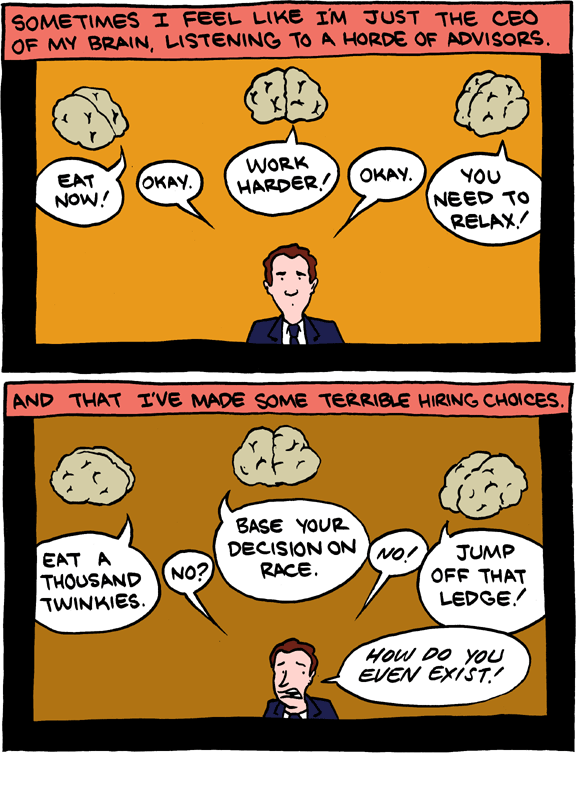
The מלך is a metaphor for the self, for consciousness, as it tries to ride herd on all the various mental forces that pull at it in every direction. We don’t have kings anymore, so the metaphor of a CEO surrounded by all sorts of advisors works better. Reading these psukim as a metaphor for how we are supposed to control our יצר directly connects to the previous psukim that were metaphors for the multiple aspects of the יצר הרע. It’s the job of the “you” in you to keep them under control.
האדם שהוא בדעתו השלימה ואין לבו אנסו, הוא שקוף לגמרי לעצמו ואמיתי לגמרי כלפי המציאות מבחוץ. האדם השקוף הזה—כל כחתיו נהירין לו בבת אחת, מרוממות מדרגותיו עד שפלות יצריו; גם בעמדו במצב גבוה אינו מתעלם מאי יציבותו ושהוא עלול לטעות בשכלו ולהזיק לאחרים. ודווקא דעת מקיפה זאת היא הסוללת דרך חיים שקולה, בניצול הכחות הגבוהים וזהירות מהכחות השפלים.
And this is a central theme of ספר משלי: stay in control in order to make choices. We’ll see this later in this perek:
טוב ארך אפים מגבור; ומשל ברוחו מלכד עיר.
While we could distinguish between מלך and מושל, for the purpose of this metaphor, I would treat them synonymously. And that makes the entire book of משלי a meta-metaphor. A מושל, a ruler, becomes a משל, a rule for living. But we don’t make moral choices by logical reasoning but through stories that form our moral intuition, so our משלים need to be משלים, parables and metaphors.
משל basic meaning: to declare what something is and should be, to give its character and designation. Hence: to command, to rule. The מושל directs everybody what he is to be and do. So that it is by no means synonymous with כבש, to force, to subjugate, it is rather to guide and rule. Hence also משלי שלמה: sayings which tell us what men and things are and should be. So in general. But hence משל also means quite specially such a saying or sentence whose meaning refers not to the things actually described in it, but they are used metaphorically to refer to some general fact or teaching, to describe the character or designation of something else, i.e. a parable.
So all these sayings about kings here, במשפט לא ימעל פיו and תועבת מלכים עשות רשע and חמת מלך מלאכי מות and באור פני מלך חיים are really about being your authentic self.
There’s a similar pun in the gemara about the song that was sung when Sichon conquered Moav.
על כן יאמרו המשלים באו חשבון; תבנה ותכונן עיר סיחון׃
א״ר יוחנן: מאי דכתיב עַל כֵּן יֹאמְרוּ הַמֹּשְׁלִים וגו׳? ”המושלים“ אלו המושלים ביצרם. ”בואו חשבון“ בואו ונחשב חשבונו של עולם: הפסד מצוה כנגד שכרה ושכר עבירה כנגד הפסדה. ”תבנה ותכונן“ אם אתה עושה כן תבנה בעולם הזה ותכונן לעולם הבא. ”עיר סיחון“ אם משים אדם עצמו כעיר זה שמהלך אחר סיחה נאה…
תבנה ותכונן is a metaphor like בצדקה יכון כסא in our psukim: stability is dependent on being in control of your יצר. The Netziv explains further:
ונראה דלזה כוונו חז״ל ב־בבא בתרא עח,ב דאר יוחנן: מאי דכתיב עַל כֵּן יֹאמְרוּ הַמֹּשְׁלִים… מה צריכין לחשבון זה? הלא גם בלי זה החשבון ראוי למשול ביצרו ולא לעבור על דעת ה׳! ותו מה זה חשבון הנאת עבירה נגד עונש עוה״ב הרוחני? אלא לא דברו כאן בענינים שבין אדם לשמים. אלא בעניני הליכות עולם. דיש עושים מחלוקת בשביל שרוצה לעשות מצוה שגורם בזה לידי מחלוקת ויש מחשב לרדוף את הרשע או את הצבור בשביל איזה עול. ואע״ג שהוא עבירה לרדוף מכ״מ מחשב שיקבל שכר על עבירה לשמה כדאיתא במסכת נזיר דף כג ”גדולה עבירה לשמה כו׳“…אך אפילו הוא מושל ביצרו ומכוין אך לשם שמים עדיין עליו לבא חשבונו של עבירה. אם כדאי הפסד מצוה שיגיע ע״י שיעשה נגד שכרה כי יכול להיות שההפסד שיגיע ע״י המחלוקת רבה על השכר ממנה. ושכר עבירה לשמה שמכוין נגד הפסדה שיגיע אח״כ עי״ז. ובאו חז״ל לזה המוסר בדבר שאירע כמו כן באנשי מואב שכוונו לטובת הכלל להביא את סיחון אבל לא באו חשבונו של עבירה מה שיהיה יוצא מזה. ובא ע״ז משל הקדמוני מסוים בתורה ללמדנו דעת שלא לעשות עבירה לשמה. ובזה נכלל רדיפה לאדם ומחלוקת אם לא שיהיה מושל ביצרו. וגם באו חשבון ברור.
The problem of הוי מחשב הפסד מצוה כנגד שכרה, ושכר עבירה כנגד הפסדה is not for those who act without thinking. It’s for those who carefully, rationally analyze the situation and decide that an עבירה לשמה is worth it.
Central to this metaphor is that there is an “I”, a CEO or מלך, that is making these decisions. I quoted Rabbi Kagan last time:
Where does our individuality and selfhood really lie? When am I an “I”? In what act do I genuinely actualize myself?…
The answer is, we are a self and achieve our unique individuality in our moments of choosing. We pass most of our time carried by the currents that intersect our lives—pulled along by the awakening of this emotion or that inclination. We function as passive nodes through which forces external to our essential self flow…The only time we actually exist in our unique individuality is when we stand above the play of various forces and pulls, making a genuine decision.
So we will read our psukim with this metaphor in mind. Shlomo starts with
קסם על שפתי מלך; במשפט לא ימעל פיו׃
Why does Shlomo call the שפתי מלך a קסם? Because it is fundamentally like magic; you aren’t going to be able to figure it out. Consciousness is not understandable with science, not detectable with technology.
[T]here is no accepted lawful way to relate brain states to conscious experiences—what it is like to be you. It is an odd position to be in, given the success of science in so many other domains!
…Are all scientific facts knowable? Or is science fundamentally incomplete?
While I can’t claim certainty, science being fundamentally incomplete is at least conceivable to me. It would mean that there are scientific facts that at first look tantalizingly discoverable, but then their true answers remain closed to us for non-trivial reasons.
Hoel argues that to be conscious, a system has to be continually learning, always changing. If you could simulate the system’s responses with a simple look-up table, then it is trivally not conscious.
Importantly, in the paper I show how this grounding of a theory of consciousness in learning must happen all the time; otherwise, substitutions become available, and all the problems of falsifiability and triviality rear their ugly heads for a theory.
Rabbi Kagan reaches a similar conclusion, but it’s moral decision making rather than learning in general that determines our consciousness, “what it is to be me”.
It is when there is some level of parity between the two pulls, each representing different ideals…that we can stand above the conflicting influences and make a decision based on how we define ourselves as people…[W]e can choose from ourselves. If we take advantage of the opportunity, who we are as individuals is determined by us.
The Creator cannot create our self. Self cannot be given, for then it is not self. We must create it through our choices. Then we come from ourselves and stand as individuals before the Creator, able to relate to Him as an “other”. Only in the act of creating from ourselves is there personal being on some level distinct from the Creator, allowing the possibility of the Creator giving, for only then is there someone to give to.
He is presenting the philosophy of Ramchal as presented by Rav Moshe Shapiro, who emphasized that we aren’t really an “other” to the Creator. The choices that allow us to feel ourselves should be those that connect us to הקב״ה.
It is He who created me, and I exist because of Him. He is the true existence of which I am a part. I am one facet of the revelation, and through me, through my existence, He who is existence itself reveals Himself…In other words, I see myself—with all my desires and all my existence, with the form of my spiritual being—as a unique being through whom existence can and must be understood. This is my destiny, and this is what sustains me. My revelation of the true existence that Hashem wanted revealed in His creation is the purpose of my existence.
Don’t be Asok
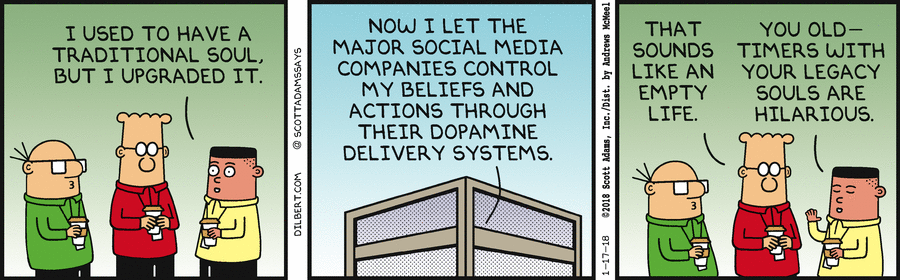
It’s not somthing that can even be addressed by the epistemology of science. קסם על שפתי מלך, the word of the king is magic.
Then Shlomo continues, emphasizing that it is ה׳ who determines the values that we use to make those choices:
פלס ומאזני משפט לה׳; מעשהו כל אבני כיס׃
However in control you may feel and however in control you may actually be, the ultimate judge is הקב״ה. As Shlomo says in קוהלת, there is a גבה מעל גבה.
אם עשק רש וגזל משפט וצדק תראה במדינה אל תתמה על החפץ; כי גבה מעל גבה שמר וגבהים עליהם׃
The next pasuk is
תועבת מלכים עשות רשע; כי בצדקה יכון כסא׃
Your metaphoric “throne” exists only through constant צדקה, ethical actions, and that צדקה should be emotional, intuitive, not just rational. עשות רשע should be a תועבה, loathsome.
The Sifra says that you should not find עבירות loathsome:
ר׳ אלעזר בן עזריה אומר: מנין שלא יאמר אדם אי איפשי ללבוש שעטנז אי אפשי לאכול בשר חזיר, אי איפשי לבוא על הערוה, אבל איפשי מה אעשה ואבי שבשמים גזר עלי כך ת״ל ואבדיל אתכם מן העמים להיות לי נמצא פורש מן העבירה ומקבל עליו מלכות שמים.
Rambam says there’s no contradiction. There are two kinds of עבירות:
הרעות אשר הן אצל הפילוסופים רעות, אשר אמרו: שמי שלא יתאוה אליהן יותר חשוב מן המתאוה אליהן ויכבוש את יצרו מהן—הם הענינים המפורסמים אצל כל בני האדם שהם ”רעות“: כשפיכות דמים, וגנבה, וגזלה, ואונאה, ולהזיק למי שלא הרע לו, ולגמול רע למיטיב לו, ולבזות אב ואם וכיוצא באלו. והן המצוות שאמרו עליהן החכמים, ז״ל (יומא סז,ב): שאילו לא נכתבו ראויות הן לכתב. ויקראו אותן קצת מחכמינו האחרונים…”מצוות שכליות“ [”משפטים“], ואין ספק שהנפש אשר תכסוף לדבר מהם ותשתוקק אליו, שהיא חסרה; ושהנפש החשובה לא תתאוה לאחד מאללו הרעות כלל, ולא תצטער בהמנעה מהם.
אבל הדברים שאמרו עליהם החכמים, שהכובש את יצרו מהם הוא יותר חשוב וגמולו יותר גדול, הם: ”התורות השמעיות“, וזה אמת: שאלמלא התורה לא היו רעות כלל. ומפני זה אמרו: שצריך האדם שיניח נפשו אוהבת אותן ולא יהיה לו מונע מהן רק התורה…שהם לא אמרו: ”אל יאמר אדם: אי אפשי להרוג הנפש; אי אפשי לגנוב; אי אפשי לכזב, אלא: אפשי, ומה אעשה אבי שבשמים גזר עלי“ אבל הביאו דברים ”שמעיים“ כולם: בשר בחלב, ולבישת שעטנז, ועריות. ואלו המצוות וכיוצא בהן, הן אשר קראן השם יתברך: ”חוקות“…
וזה חידוש נפלא בהעמיד שני המאמרים; ולשונם מורה על אמיתת מה שבארנו.
It is unfortunate that yet again we have turned the tables and confused our values. Chazal say we should be disgusted by stealing, but not by pork. Most of us are disgusted by pork but not by stealing. This is something we picked up in our cultural environment, and will bequeath to the next generation unless we change the habitual responses to בין אדם לחבירו in our culture. And we must do so if we are to bring about a change in middos in our children. Unless and until children see people as excited, as moved, as affronted by lapses in מצוות בין אדם לחבירו as they are excited, moved, and affronted by lapses in מצוות בין אדם למקום,we will not see significant improvement in the middos of our children.
You need to be consciously making decisions, but realize that part of what goes into that decision-making is intuitive and you can work on your intuition.
The next pasuk is
רצון מלכים שפתי צדק; ודבר ישרים יאהב׃
We talked about שפתי צדק in Horsefeathers. It’s not just a matter of not lying; it’s a matter of taking the truth seriously, of respecting others enough to mean what you say.
And then
חמת מלך מלאכי מות; ואיש חכם יכפרנה׃
Stay calm, don’t lose control. Anger is a מלאך המות and will destroy anyone. We discussed this in Temper, Temper.
משה רבנו, ע״ה, כבר אמר אליו השם יתברך: (במדבר כ:יב) יַעַן לֹא הֶאֱמַנְתֶּם בִּי לְהַקְדִּישֵׁנִי לְעֵינֵי בְּנֵי יִשְׂרָאֵל…וחטאו, ע״ה, הוא: שנטה לצד אחד מן הקצוות ממעלת המידות, והיא: הסבלנות. כאשר נטה לצד הרגזנות באמרו (במדבר כ:י): שִׁמְעוּ נָא הַמֹּרִים, דקדק עליו השם יתברך: שיהיה אדם כמוהו כועס לפני עדת ישראל במקום שאין ראוי בו הכעס. וכיוצא בזה בדין האיש ההוא—חילול השם הוא.
And the section concludes with
באור פני מלך חיים; ורצונו כעב מלקוש׃
אור פנים has a specific meaning in תנ״ך:
יאר ה׳ פניו אליך: יראה לך פנים שוחקות, פנים צהבות.
☺️
The world is like a desert and you can be the עב מלקוש, the raincloud that brings relief, just by presenting it with a smile.