This week’s parsha begins the Pesach story.
א ויאמר ה׳ אל משה ואל אהרן בארץ מצרים לאמר׃
ב החדש הזה לכם ראש חדשים; ראשון הוא לכם לחדשי השנה׃
ג דברו אל כל עדת ישראל לאמר בעשר לחדש הזה; ויקחו להם איש שה לבית אבת שה לבית׃
The פשט of החדש הזה לכם ראש חדשים tells us how to count the months of the year.
החדש הזה:…ואין מקרא יוצא מידי פשוטו, על חדש ניסן אמר לו, זה יהיה ראש לסדר מנין החדשים, שיהא אייר קרוי שני, סיון שלישי.
But note the ellipses. Rashi brings פשט second and the דרש as the primary explanation because there are three problems with the פשט:
- It’s redundant: החדש הזה לכם ראש חדשים means the same thing as ראשון הוא לכם לחדשי השנה
- The command to tell this to בני ישראל—דברו אל כל עדת ישראל לאמר—only comes in the next pasuk. What was Moshe supposed to do with this pasuk?
- And why does it matter? The rest of the paragraph is the מצווה of קרבן פסח. Why start with this?
So Rashi says the word חדש here doesn’t mean “month”, it means literally “new moon”.
החדש הזה: הראהו לבנה בחדושה ואמר לו כשהירח מתחדש יהיה לך ראש חדש. ואין מקרא יוצא מידי פשוטו…
This is the מצווה of קידוש החודש. And it’s addressed אל משה ואל אהרן and not to כל עדת ישראל because it’s a מצווה for בית דין.
ולפי מדרשו ”לכם“ לומר שקדוש החדש צריך בית דין ממחין (ראש השנה כה,ב) ולכך לא נאמר בתחלה דַּבְּרוּ אֶל כׇּל עֲדַת יִשְׂרָאֵל, שאין בקדוש החדש אלא משה ואהרן וכיוצא בהם.
And so the דרש makes his pasuk into the first מצווה given to בני ישראל as a people. I’m going to talk about that because my חברותא, neighbor and friend, Rabbi Chaim Edelstein just published a new edition of an old sefer, originally published in 1792, called מצות השם. It was written by Rabbi Baruch Halperin from Sokal, Ukraine, and is a discussion of the תרי״ג מצוות in the order of the פרשיות (similar to the ספר החינוך).
מצות עשה לקדש חדשים, ולחשב חדשים, שנאמר הַחֹדֶשׁ הַזֶּה לָכֶם רֹאשׁ חֳדָשִׁים וגו׳.
ענין המצוה, הוא שיחשבו בית דין וידעו אם יראה הלבנה אם לא. ושידרשו את העדים [שראו את הלבנה] עד שיקדישו את החודש, ויאמרו מקודש מקודש. וישלחו ויודיעו לשאר העם באיזה יום הוא ראש חודש, כדי שידעו לקבוע המועדות…
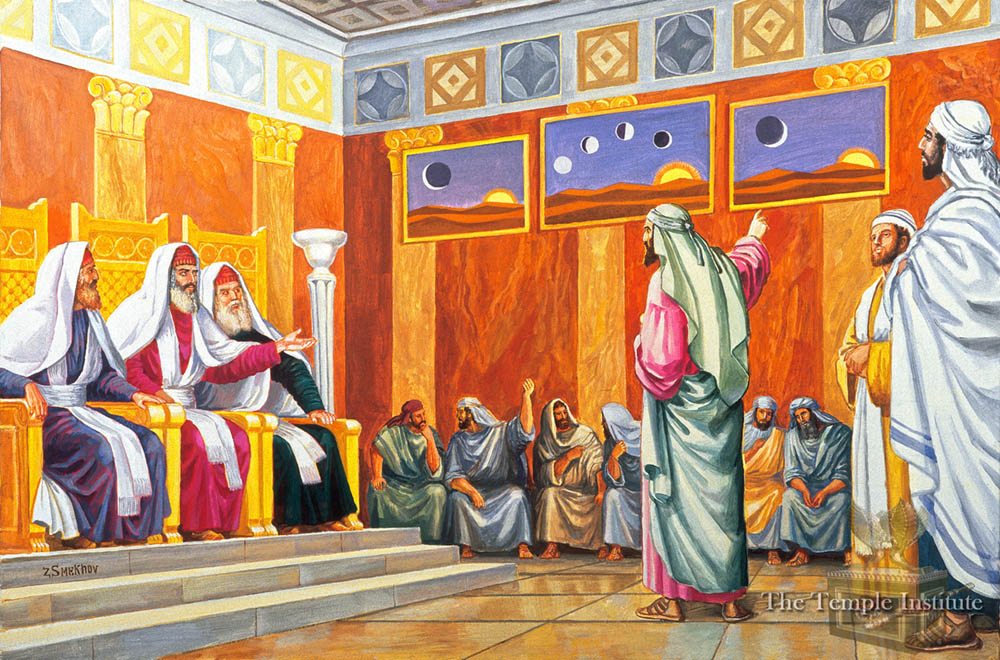
And the upshot of this is that כנסת ישראל owns ראש חודש, and through that, owns the יומים טובים and the very concept of time.
החדש הזה לכם: משל למלך שהיו לו אוצרות מלאים זהב וכסף אבנים טובות ומרגליות, והיה לו בן אחד; כל זמן שהיה הבן קטן היה אביו משמר את הכל. הגדיל הבן ועמד על פרקו, אמר לו אביו כל זמן שהיית קטן אני הייתי משמר את הכל, עכשיו שעמדת על פרקך הרי הכל מסור לך.
כך היה הקדוש ברוך הוא משמר את הכל, שנאמר (בראשית א:יד): וְהָיוּ לְאֹתֹת וּלְמוֹעֲדִים, כיון שעמדו ישראל מסר להם הכל, שנאמר: הַחֹדֶשׁ הַזֶּה לָכֶם.
תנו רבנן: יום טוב שחל להיות בשבת…חותם בה: ”מקדש השבת, ישראל והזמנים“…והא שבת מקדשא וקיימא.
בשלמא זמנים צריך להקדים קדושת ישראל לקדושתן שעל ידי קדושת ישראל נתקדשו הם ואילו לא נתקדשו ישראל לא היו קובעים חדשים וקוראין מועדים בבית דין.
אלא שבת מקדשא וקיימא: מששת ימי בראשית ואינה תלויה בקביעות דראש חדש.
And that means that even if בית דין erred in determining the new moon, it still is the start of the month.
כל מה שעשה רבן גמליאל עשוי, שנאמר (ויקרא כג:ד): אֵלֶּה מוֹעֲדֵי ה׳ מִקְרָאֵי קֹדֶשׁ, אֲשֶׁר תִּקְרְאוּ אֹתָם בְּמוֹעֲדָם; בין בזמנן בין שלא בזמנן—אין לי מועדות אלא אלו.
And so this is the first מצווה given to בני ישראל as a people.
אמר רבי יצחק: לא היה צריך להתחיל את התורה אלא הַחֹדֶשׁ הַזֶּה לָכֶם, שהיא מצוה ראשונה שנצטוו בה ישראל.
So the “why does it matter?” question is even stronger: why put this מצווה at the beginning of יציאת מצרים? Why make this the first מצווה?
Rabbi Fink talked about this after davening this past Monday.
החדש הזה לכם ראש חדשים: מכאן ואילך יהיו החדשים שלכם, לעשות בהם כרצונכם, אבל בימי השעבוד לא היו ימיכם שלכם, אבל היו לעבודת אחרים ורצונם, לפיכך רִאשׁוֹן הוּא לָכֶם לְחָדְשֵׁי הַשָּׁנָה, כי בו התחיל מציאותכם הבחיריי.
The first מצווה reminds us that, as free people, we own our own time. We are not slaves. But our responsibility is to be מקדש that time, not squander it.
To truly be free, we must understand what it means to not be free. Yet “freedom” itself has different dimensions, a point reflected in the two Hebrew words used to describe it, chofesh and cherut. Chofesh is “freedom from”, cherut is “freedom to”. Chofesh is what a slave acquires when released from slavery. He or she is free from being subject to someone else’s will. But this kind of liberty is not enough to create a free society. A world in which everyone is free to do what they like begins in anarchy and ends in tyranny. That is why chofesh is only the beginning of freedom, not its ultimate destination.
ואומר (שמות לב:טז) וְהַלֻּחֹת מַעֲשֵׂה אֱלֹקִים הֵמָּה, וְהַמִּכְתָּב מִכְתַּב אֱלֹקִים הוּא חָרוּת עַל הַלֻּחֹת, אל תקרא חָרוּת אלא חֵרוּת, שאין לך בן חורין אלא מי שעוסק בתלמוד תורה.
As we said last week in פרשת וארא תשפ״ו, they had experienced 6 months of חופש before, but had no sense of חרות. True freedom, חרות, requires מצוות.
Rav Soloveitchik adds another dimension.
The first commandment they were given in Egypt which signaled the commencement of their liberation was to mark time. A slave is relieved of mitzvos asei shehazman gerama, of time-bound positive commandments. This is because the slave lacks time experience…The slave’s time is the property of his master…His sense of the movement of time, the passing of hours, days, weeks, is very dull. Life, to the slave personality, is motionless. He lacks the great excitement of opportunities knocking at the door, of challenges summoning him to action, of tense expectations and fears of failure. Any faith which is inseparably bound up with time is inapplicable to him.
And this experience of time that בני ישראל could now feel is made of past, present and future.
This time-awareness or experience has three basic components. First, retrospection: without memory, there is no time. Second, the exploration or close examination of things yet unborn and the anticipatory experience of events not yet in being. Third: appreciation or evaluation of the present moment as one’s most precious possession.
We know the popular song:
העבר אין,
העתיד עדיין,
וההווה כהרף עין,
דאגה מניין?
Rav Soloveitchik is saying the opposite: you may not need דאגה but you need אחריות.
To live in time means to be committed to a great past and to an unborn future. Time-awareness also contains a moral element: responsibility for emerging events and intervention in the historical process. Man, according to Judaism, should try to mold and fashion the future. That is exactly why he has been created as a free agent…
To connect retrospection with anticipation, memory with expectation, hindsight with foresight, one must cherish the present, fleeting moment as if it represented eternity. Judaism has a very sensitive approach to the present: every minute is valuable, each second precious…
Time is of critical importance-not years or months, but seconds and split seconds. This time-awareness and appreciation is the singular gift granted to free man, because time belongs to him: it is his time, and he can utilize it to the utmost or waste it.
Who controls the past…controls the future.
Who controls the present controls the past.
And so החדש הזה לכם ראש חדשים: the act of קידוש החודש belongs to the central בית דין. But the responsibility inherent in owning time belongs to each of us.