My uncle worked in Manhattan and one of his non-Jewish colleagues told him that he really appreciates SHEM-en-eye-AZ-eh-rith. It took a while for him to figure out that he was talking about Shemini Azereth, שמיני עצרת. Why does he appreciate it so much? Because it's marked on the municipal calendar as a day when alternate-side-of-the-street parking rules [New York City wants you to move your car every day] are not in effect. It's the end of a whole month of suspended alternate-side-of-the-street parking rules. What a great holiday, and it's thanks to the Jews for being unable to move their cars!
We also like SHEM-en-eye-AZ-eh-rith, but hopefully for something deeper than convenient parking. It's first mentioned in פרשת המואדים in אמור:
{:he}
>שבעת ימים תקריבו אשה לה׳; ביום השמיני מקרא קדש יהיה לכם והקרבתם אשה לה׳ עצרת הוא כל מלאכת עבדה לא תעשו׃
--ויקרא כג:לו
{:he}
><em>עצרת הוא</em>: עצרתי אתכם אצלי; כמלך שזמן את בניו לסעודה לכך וכך ימים, כיון שהגיע זמנן לפטר, אמר, בני בבקשה מכם עכבו עמי עוד יום אחד; קשה עלי פרדתכם.
--רש״י, ויקרא כג:לו
But there are
no specific mitzvot for this holiday, except for a קרבן מוסף mentioned in פרשת פנחס:
{:he}
><b>לה</b> ביום השמיני עצרת תהיה לכם; כל מלאכת עבדה לא תעשו׃ <b>לו</b> והקרבתם עלה אשה ריח ניחח לה׳ פר אחד איל אחד; כבשים בני שנה שבעה תמימם׃
--במדבר פרק כט
And there's one place where שמיני עצרת is specifically *not* mentioned, in the context of עליה לרגל. Or so it seems.
{:he}
><b>יג</b> חג הסכת תעשה לך שבעת ימים; באספך מגרנך ומיקבך׃ <b>יד</b> ושמחת בחגך; אתה ובנך ובתך ועבדך ואמתך והלוי והגר והיתום והאלמנה אשר בשעריך׃ <b>טו</b> שבעת ימים תחג לה׳ אלקיך במקום אשר יבחר ה׳; כי יברכך ה׳ אלקיך בכל תבואתך ובכל מעשה ידיך והיית אך שמח׃
--דברים פרק טז
{:he}
><em>והיית אך שמח</em>: לפי פשוטו אין זה לשון צווי אלא לשון הבטחה,
>
ולפי תלמודו למדו מכאן לרבות לילי יום טוב האחרון לשמחה.
--רש״י, דברים טז:טו
שמיני עצרת is a day of שמחה. Halachically, this means bringing שלמים and enjoying meat and wine, but אך שמח means you should be really happy.
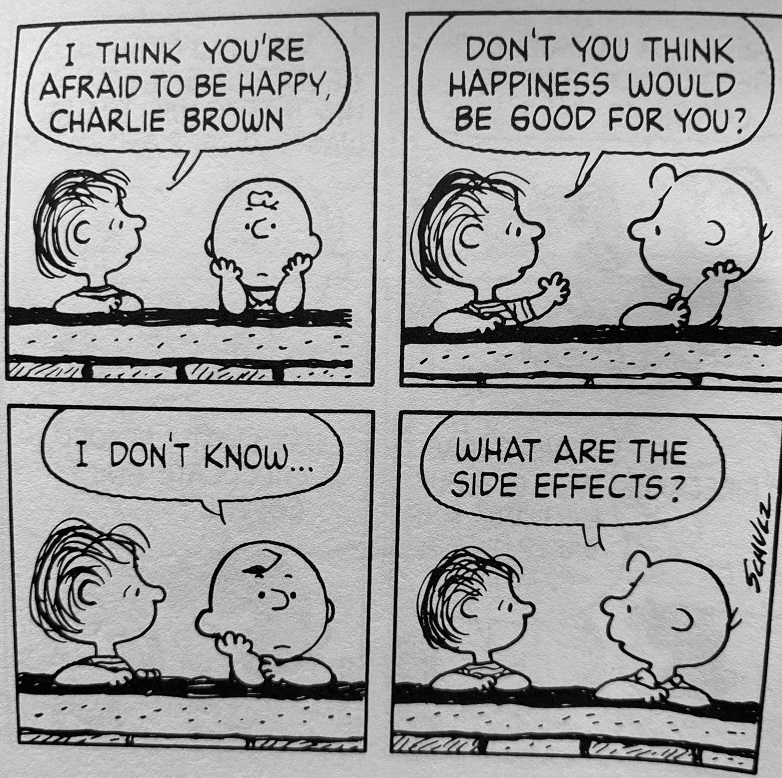
--from Abraham Twerski, MD, [_When Do the Good Things Start?_](https://us.macmillan.com/books/9780312132125/whendothegoodthingsstart/), p. 70
What does שמחה mean?
שמחה is different from צחוק.‎ צחוק, laughter, is the response to things that are incongruous, that don’t fit together. We find humor in puns, pratfalls and the unexpected blessing, and to these we laugh. Sometimes the distance between what we want and what reality presents us with is so great, we say “if I don’t laugh, I’ll cry”. שמחה, joy, is different. שמחה is the feeling that things are as they should be, that everything has worked out, the feeling of נחת רוח. It is a sense of שלמות. That's why סוכות is the Jewish Thanksgiving: we appreciate all of our gifts from the past year. And that means *everything*, even the things we didn't appreciate at the time.
{:he}
>(קהלת ח:טו) וְשִׁבַּחְתִּי אֲנִי אֶת הַשִּׂמְחָה: פירוש כאשר האדם בשמחה אז נפשו בשלימות כמו שבארנו דבר זה במקומת הרבה מאוד מענין השמחה שהיא שלימת הנפש.
--חידושי אגדות מהר"ל מפראג, שבת ל,ב
{:he}
>סוד השמחה
הוא מצד השלימות, מצד שאינו חסר כלום...
>
והוא ענין השמחה שנצטוינו בתורה מטעם (דברים טז:יג) בְּאׇסְפְּךָ מִגׇּרְנְךָ וּמִיִּקְבֶךָ
שבטבע הוא שמזה נמשך מציאות של שמחה,
שאין נצרך לו לחשוב מחשבות אם לשמוח או
לא, יען שבטבע הוא שהאדם אם משיג איזה
דבר ונשלם בה, אז בטבע יש שם שמחה,
ולהיפוך גם־כן, אם יאבד אדם דבר־מה, אז
בטבע נמשך שם עצבות.
--הרב ירוחם הלוי ליוואוויץ, מאמרי המשגיח, מוכות רכו
{:he .lines}
>על כל אלה, על כל אלה,
שמור נא לי א־לי הטוב.
על הדבש ועל העוקץ,
על המר והמתוק.
--נעמי שמר, [_על כל אלה_](https://shironet.mako.co.il/artist?type=lyrics&lang=1&prfid=738&wrkid=4052)
Rav Kook looks at one aspect of that.
{:he}
>--הרב קוק, [_אורות התשובה_](https://daat.ac.il/daat/vl/orothatshuva/orothatshuva01.pdf) ט:י
התשובה וכל ההליכות המעשיות שלה, עם הרוח הכללית השולטת בעיקרה בימים המיוחדים לתשובה עם
גודל התועלת שלה לזכך את הנפשות, לעדן את הרוח ולטהר את המעשים מכעורם, היא מוכרחת להיות
סופגת עמה איזו חולשה, שלא נמלט ממנה אפילו הגבור שבגבורים. כשמקמצים את הרצון, כשכופפים את
עז החיים י"ע הסלידה הפנימית, והנטיה לשוב מכל חטא, מתקמץ כ"ג הרצון של הטוב, ועז החיים
הטהורים מתחלש גם הוא. נמצא האדם סובל מטהרתו המוסרית חולשה כזאת, שסובל חולה שהתרפא
על ידי הזרמה אלקטרית חזקה, שאמנם גרשה את הארס שבמחלתו, אבל החלישה את הכח החי
והבריא שבו. שבים, על כרחך, ימים של שמחת קדש, של חדות הנפש, לקומם את הרצון הטוב ועז החיים הטהור.
אז תהיה התשובה שלמה.
The יומים נוראים are like a spiritual boot camp.
>When it comes to training, there’s nothing more intense than boot camp. Since the days of ancient Sparta, almost every society on earth has used brutal initiation to turn average citizens into warriors...
>
The only way to build a new human is to break down the old one.
--Tim Buteyn, [_How Training is Like Boot Camp (and How it Isn’t)_](https://www.thinkingkaplearning.com/blog/training-like-boot-camp-isnt/)
יום כיפור builds us into a new human. But what does Rav Kook mean that the ימים של שמחת קדש lead to התשובה שלמה? The answer is that סוכות and שמיני עצרת are days of תשובה as well.
{:he}
><b>א</b> אולם בספר מעשה רב (אות רל״ג) מובא דבאמת שמיני עצרת הוא יותר יום שמחה
משבעת ימי חג הסוכות, דאיתא שם בזה"ל, הגאון ז"ל היה שמח מאד בחג
הסוכות, וביותר בשמיני עצרת, כי הוא יותר יום שמחה מכל ימי החג עפ"י הסוד,
עכ"ל. הרי מבואר בדבריו דשמחת שמיני עצרת גדולה משמחת חג הסוכות.
>
<b>ב</b>…יוה"כ מכפר מתוך מדריגת תשובה מיראה של עשי"ת, והושע"ר מכפר מתוך עבודת תשובה מאהבה בחג הסוכות, והרי גדולה מדריגת תשובה מאהבה מתשובה מיראה, ולכן באה כפרת הושע"ר אחר טהרת יוה"כ...
--הרב ירוחם אלשין, ירח למואדים סוכות, מאמרים פב: שמתת שמיני עצרת—לישרי לב שמחה
We know the difference between תשובה מיראה and תשובה מאהבה.
{:he}
>אמר ריש לקיש:
גדולה תשובה שזדונות נעשות לו כשגגות, שנאמר (הושע יד:ב): שׁוּבָה יִשְׂרָאֵל עַד ה׳ אֱלֹקֶיךָ כִּי כָשַׁלְתָּ בַּעֲוֹנֶךָ, הא ”עון“—מזיד הוא, וקא קרי ליה מכשול.
>
איני?!
>
והאמר ריש לקיש: גדולה תשובה שזדונות נעשות לו כזכיות, שנאמר (יחזקאל לג:יט): וּבְשׁוּב רָשָׁע מֵרִשְׁעָתוֹ וְעָשָׂה מִשְׁפָּט וּצְדָקָה עֲלֵיהֶם יִחְיֶה! לא קשיא: כאן מאהבה, כאן מיראה.
--יומא פו,ב
Rav Shagar in _שובי נפשי_ says that the יראה and אהבה here are not awe and love of ה׳, but fear and acceptance of the *sin* (or, more accurately, of my imperfect sinning past). Rambam in הלכות תשובה describes the need to reject the past, to become an entirely new person.
{:he}
><b>ב</b>...ויעיד עליו יודע תעלומות שלא ישוב לזה החטא לעולם...
>
<b>ד</b>...כלומר שאני אחר ואיני אותו האיש שעשה אותן המעשים; ומשנה מעשיו כולן לטובה, ולדרך ישרה.
--משנה תורה, הלכות תשובה פרק ב
This, says רב שגר, is תשובה מיראה. R' Zadok miLublin says, No, I can accept who I am, and the deeds I did, and see them as ה׳'s will, that allowed me to become the בעל תשובה I am today. This is תשובה מאהבה.
{:he}
>בניגוד לרמב"ם, שלפי עיקרון התשובה היינו ”אין הדבר תלוי אלא בי“, העמדה החסידית הפוכה--”אין עוד מלבדו“. לדעת ר׳ צרוק, למשל, התשובה הגבוהה--תשובה מאהבה, אינה הכרה באחריות לחטא וחרזה ממנו, אלא
דווקא התנעורות ממנו, פרי התבונה ש*כל מה שחטא היה גם כן ברצון ה׳*.
--הרב שג״ר, [_שובי נפשי_](https://shagar.co.il/?product=%D7%A9%D7%95%D7%91%D7%99-%D7%A0%D7%A4%D7%A9%D7%99), עמ׳ 180
תשובה מאהבה treats sin like an addiction rather than a crime; in order to improve I need to realize that I am *not* in control, and I don't decide to become better. I accept that I am who I am and ask ה׳ to make me better.
So this explains the gemara. תשובה מיראה in this sense means I look at my past deeds as something done by someone else wearing my body. They were done, and they were wrong, but I (the new I) didn't *intend* to do them. Thus, שזדונות נעשות לו כשגגות. On the other hand, תשובה מאהבה in this sense means that everything that happened in the past was ה׳'s will, (משלי טז:ד)‎ כֹּל פָּעַל ה׳ לַמַּעֲנֵהוּ וְגַם רָשָׁע לְיוֹם רָעָה. Not that what I did was right, but that looking back, it was all part of what brought me to this point. My goal is not to reject my past but to grow *from* it, שזדונות נעשות לו כזכיות.
And that leads to שמחה.‎ תשובה שלמה is תשובה from a sense of שלימות. That *is* תשובה מאהבה. It is about looking at ourselves and our past as a complete whole, and rejoicing in who we are, after the ימים נוראים and the חג שמחתינו. That והיית אך שמח. Though getting to keep a good parking spot isn't bad either.